
Alcohol also has a significant impact on the central nervous system and sweat glands. This dilation increases blood flow to the skin’s surface, which can make you feel warm and trigger sweating. Furthermore, alcohol can stimulate the sympathetic nervous system, which controls the body’s “fight or flight” response. This stimulation can lead to increased sweat gland activity, exacerbating the night sweat problem. Furthermore, alcohol affects the release of antidiuretic hormone (ADH), which regulates fluid balance in the body. When alcohol suppresses ADH, it leads to increased urine production and fluid loss, causing dehydration.
When Sweating Might Signal Another Issue
It is important to seek professional help if experiencing severe withdrawal symptoms. If you experience uncomfortable night sweats after drinking, cutting off alcohol a few hours before bed and sleeping in a cool room can be helpful. If alcohol night sweats are persistent, you may need to consider whether you have an alcohol intolerance or an alcohol use disorder.
Tramadol and Sleep Disturbances: Understanding the Link to Muscle Twitching
Dehydration can strain the kidneys and impair their ability to properly filter waste. Changes in urination patterns, swelling in the legs or feet, and fatigue are symptoms that should not be ignored and should prompt a visit to a healthcare professional. If you’re experiencing night sweats from alcohol consumption, it’s important to seek help and consider treatment options.
- This dehydration-induced sweating is a direct result of alcohol’s hormonal interference with fluid regulation mechanisms.
- For example, elevated estrogen levels in both men and women due to heavy drinking can contribute to health issues such as breast cancer risk in women and gynecomastia in men.
- (4) This process causes a rise in your body temperature, leading to sweating during the night.
- If you’re worried, it’s always a good idea to chat with a healthcare professional.
- Alcohol withdrawal is a potentially serious complication of alcohol use disorder.
What causes alcohol withdrawal?
By reducing or eliminating alcohol consumption, our bodies can rehydrate, and regulating our fluid balance more https://ecosoberhouse.com/ effectively, and reducing the likelihood of night sweats. According to him, there are multiple reasons that can lead to this problem, and the amount of alcohol also has a major role to play. No points for guessing that high body temperature and increased heart rate are the biggest culprits here. Taking one glass of alcohol after another may cool you down mentally, but physically, you may feel the heat, quite literally! But if heavy sweating is accompanied by fever, rapid heartbeat, confusion, or even hallucinations, one should seek medical assistance. If your night sweats are a result of alcohol withdrawal, you could also try cutting down on how much you drink.
Night sweats can persist for a few days to several weeks after quitting drinking, depending on your level of dependency and individual health factors. This condition, often genetic, triggers various symptoms when you consume alcohol. Your body tries to cool down by producing sweat which is often referred as ‘sweating out’ the consumed alcohol. Night sweats are one of the many signals that we’re drinking too much. If we Sober living house heed the warning signs early on, we can prevent this issue from persisting or leading to other health challenges. In this post, we’ll explore the causes of night sweats related to alcohol use and discuss how cutting back on or quitting alcohol can help.
- One study of alcohol’s effects on body temperature showed that sweating and the sensation of heat increased significantly 10 minutes after consuming alcohol.
- Alcohol interferes with the hypothalamus’s ability to maintain thermal homeostasis, causing it to signal sweat glands to become overactive.
- This also triggers the sweat glands to produce sweat which further decreases body temperature.
- The main management for severe symptoms is long-acting benzodiazepines — typically IV diazepam or IV lorazepam.
The effects are similar to that of the medication Antabuse (disulfiram), which is often used to treat alcohol addiction. While there could be several different explanations for this, alcohol is a common cause of night sweats and this can be a physical sign of alcoholism. In this piece, we’ll go into detail on the relationship between alcohol and sweating, and what you can do to cope with alcohol-induced night sweats. If you’ve decided to give up alcohol after prolonged addiction, sweating will be one of the most common withdrawal symptoms.
Safer Strategies for Post-Drinking Recovery
- If excessive sweating has no underlying medical cause, it’s called primary hyperhidrosis.
- It is crucial to seek medical attention if experiencing symptoms such as changes in urination patterns, swelling, and fatigue.
- If someone has developed alcohol dependency, they may experience excessive sweating, hot flashes, and night sweats if they stop drinking.
- It can be highly unpleasant to experience and might cause an unpleasant odour or alcohol smell.
Dehydration, a common side effect of alcohol consumption, also plays a role in night sweats. When the body is dehydrated, it becomes less efficient at regulating temperature, making it more likely to sweat excessively as a compensatory mechanism. This dehydration, coupled with the heat generated during alcohol metabolism, creates a perfect storm for night sweats. Staying hydrated before and after drinking can mitigate this effect, but it does not entirely eliminate the metabolic and thermoregulatory factors at play. why does alcohol make you warm As the night progresses, the body continues to metabolize alcohol, which generates heat as a byproduct.
Seeking Help and Treatment
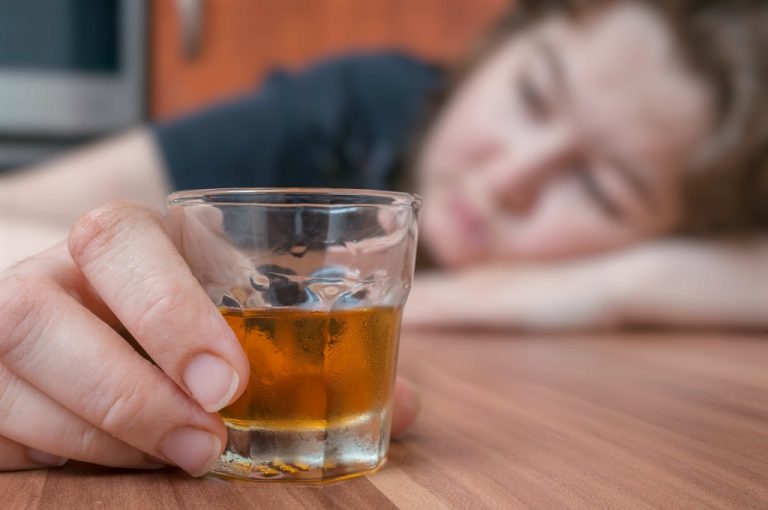
Unless it is a symptom of alcohol withdrawal, sweating when you drink is more of an annoyance than a serious problem. On the other hand, if you find yourself sweating the morning after you drink, this is likely a hangover symptom. A major hangover can actually result in a low-grade fever due to a blood sugar drop, dehydration, or even an immune response.
